Regional first
First robot-assisted lung cancer operation in the Black Sea region performed at OMÜ
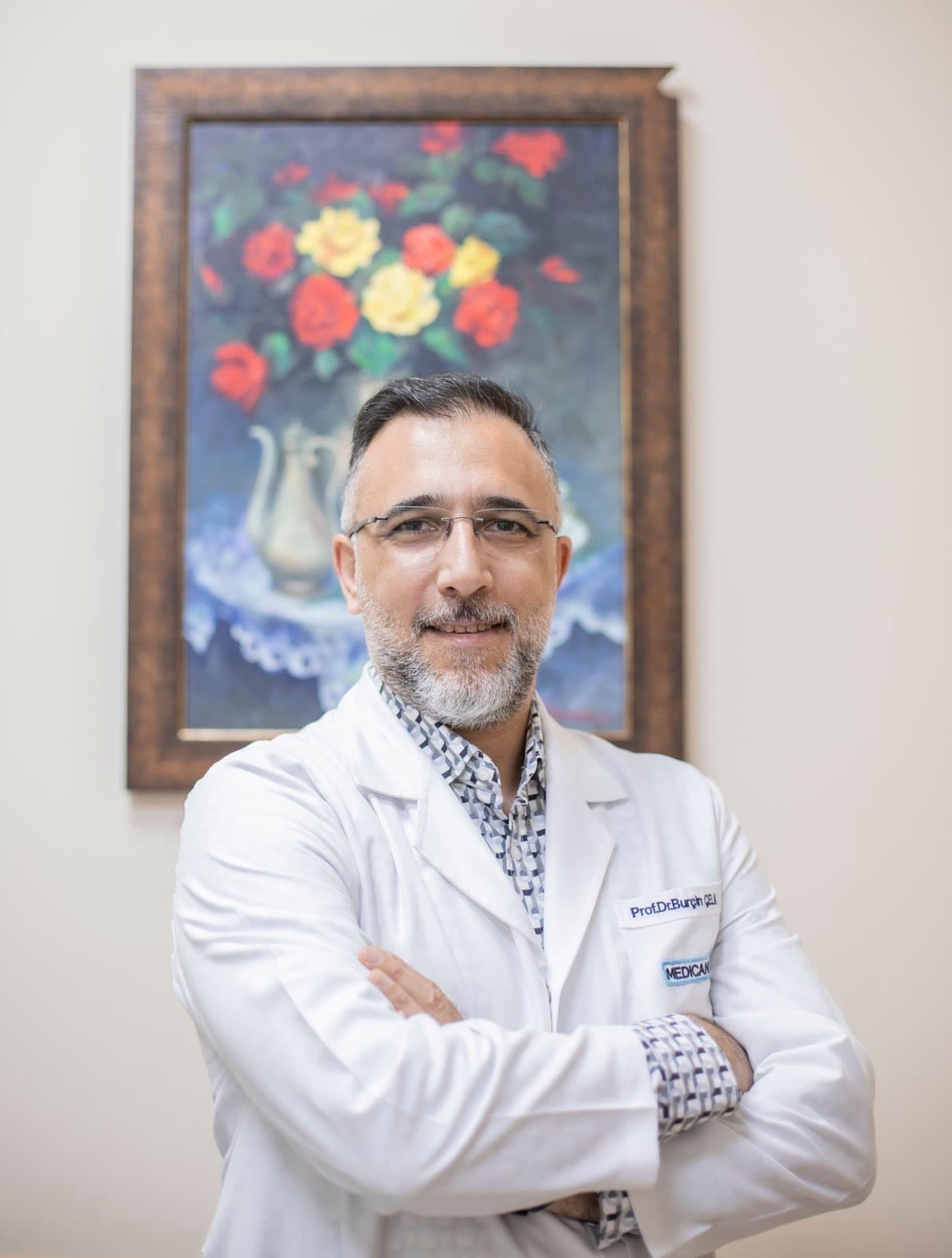
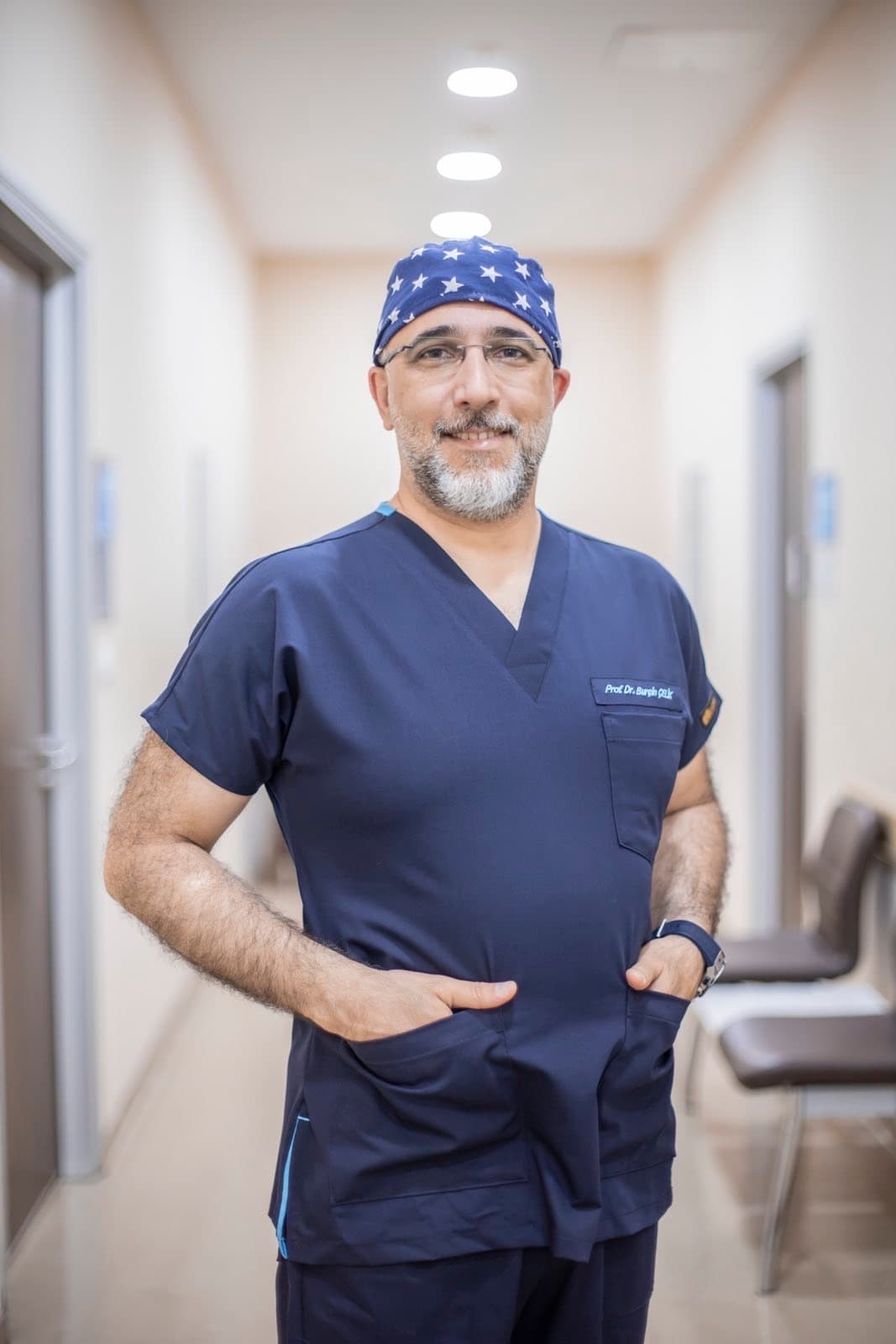
A team led by Prof. Dr. Burçin Çelik used the da Vinci Surgical System to perform a robotic lobectomy for a tumour in the right lower lobe of a 57-year-old patient.
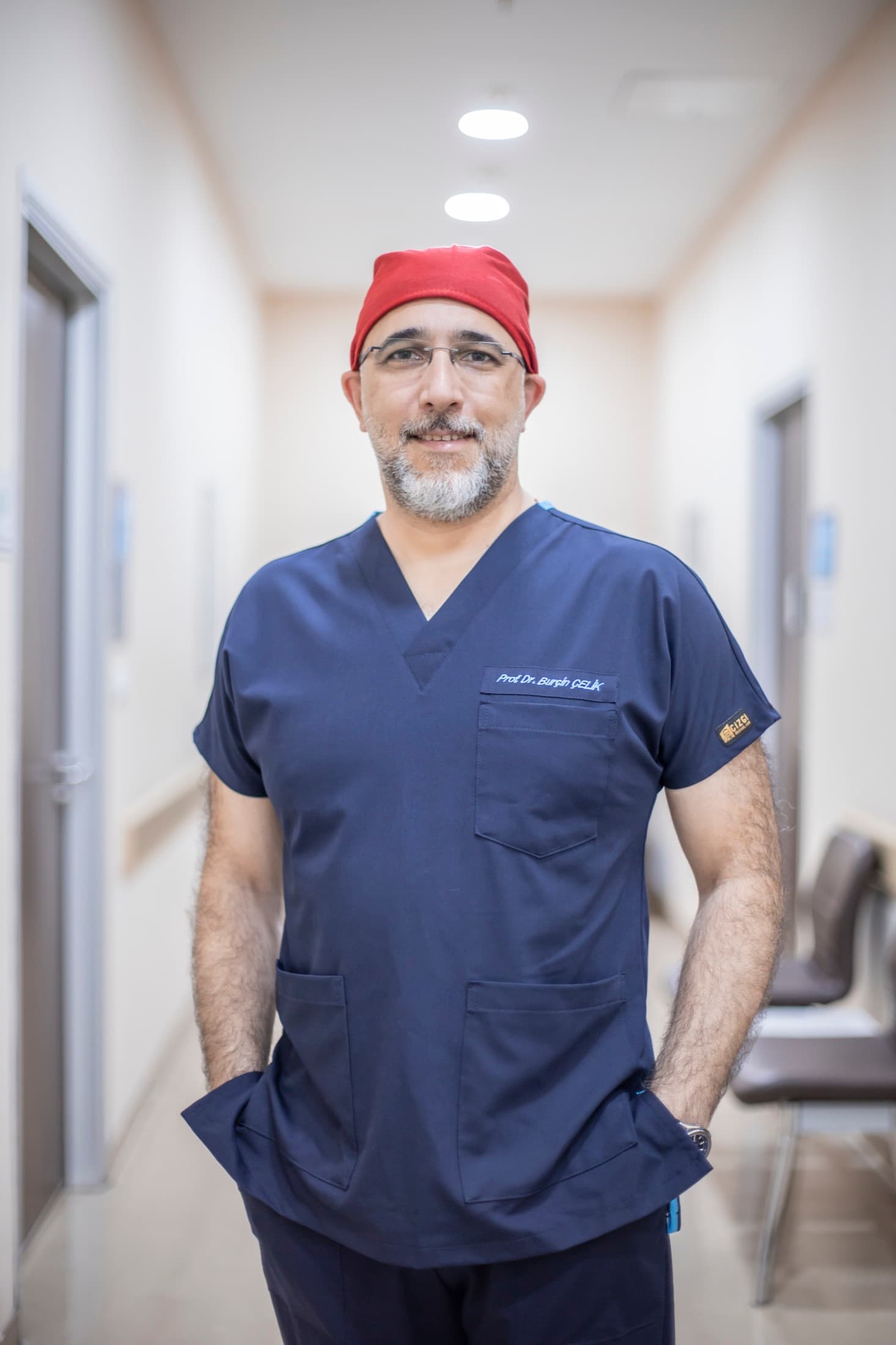
Ondokuz Mayıs University (OMÜ) Faculty of Medicine Hospital performed the Black Sea region’s first robotic lung operation in thoracic surgery. A team led by Prof. Dr. Burçin Çelik of the Department of Thoracic Surgery successfully carried out a robotic lobectomy on a 57-year-old male patient with a tumour in the lower lobe of the right lung. The team included Asst. Prof. Gökhan Pirzirenli and a large operating-room staff.
By adding the da Vinci Surgical System — regarded as one of the most advanced technologies in surgery — the hospital became the first university in the Black Sea region to acquire a surgical robot. The system will be used across general surgery, urology, obstetrics and gynaecology, thoracic surgery, paediatric surgery and otorhinolaryngology, reducing the need for patients to travel to other cities for treatment.
Where robotic thoracic surgery is used
Prof. Dr. Burçin Çelik noted that the new system is planned for the surgical treatment of suitable conditions of the lung, mediastinum, thymus and oesophagus.
Robotic surgery, used ever more frequently as technology advances, has been actively employed in thoracic surgery in our country for the last ten years, as it has worldwide. It is a method frequently used in the surgical treatment of lung cancer and of diseases of the mediastinum, the region between the two lungs.
Prof. Çelik explained that robotic surgery is a closed technique in which the surgeon controls the robotic arms with high precision from a console, and stressed the importance of patient selection: the method should be chosen when the lesion can be expected to be removed by closed surgery, and not used for lesions unsuitable for minimally invasive surgery. In suitable patients it can be used to remove lung nodules for diagnosis and treatment, for early-stage lung cancer, benign and malignant tumours of the thymus, congenital, neurogenic and germ-cell lesions of the mediastinum, oesophageal tumours, and tumours of the diaphragm and chest wall.
3D vision for the surgeon, faster recovery for the patient
Robotic instruments are extremely precise and highly manoeuvrable, allowing procedures even in narrow spaces. Seeing the operative field in three dimensions also helps the surgeon judge true tissue distances and protect vital organs. For the patient, the advantages are less pain, faster recovery and a lower risk of complications.
Head of the Department of Thoracic Surgery Prof. Dr. Yasemin Büyükkarabacak said the robotic system had only recently joined the university, that lung, oesophageal, mediastinal and thymic procedures can now be performed safely with it, and that ten-fold magnification reduces postoperative pain and allows early discharge.
News video · Samsun İlk Haber
This report is based on the following sources: Ondokuz Mayıs Üniversitesi, OMÜ Sağlık Uygulama ve Araştırma Merkezi, İhlas Haber Ajansı (İHA), Samsun Haber, Afyon Şehir.